All About Air Conditioner Technicians: Skills and Services
All About Air Conditioner Technicians: Skills and Services
Blog Article
The comfort of your home or office can be significantly influenced by the efficiency of your HVAC system, especially when temperatures change. HVAC, short for Heating, Ventilation, and Air Conditioning, includes various services dedicated to creating a favorable indoor atmosphere. Whether your needs include installation, regular maintenance, or urgent repairs, knowing about these services will empower you to make the right choice in hiring professionals. For customized HVAC solutions that fit your specific needs, feel free to reach out for more information. This article aims to cover the assorted HVAC services you might find useful, offer advice on selecting a qualified HVAC contractor, and give an overview of potential costs. When you finish reading, you’ll have a clearer picture of how to meet your heating and cooling demands and keep your indoor environment comfortable throughout the seasons at this website.Steps for Effective HVAC Maintenance
HVAC services
Understanding HVAC Services
HVAC services incorporate a wide range of essential functions aimed at maintaining indoor air quality and thermal comfort in environments such as homes, workplaces, and industrial settings. These services can be broken down into three core categories: heating, ventilation, and air conditioning. Heating services typically include the installation and repair of furnaces, while air conditioning services cover the installation, repair, and maintenance of cooling systems. Additionally, ventilation services focus on enhancing the air quality circulating through a building and might involve duct cleaning or assessments of air quality.
Trained HVAC professionals are usually responsible for these services, possessing the skills and experience required to deal with sophisticated systems that necessitate meticulous attention to detail. Consistent maintenance of HVAC systems not only improves their efficiency but also extends the lifespan of the equipment. By taking a proactive approach, homeowners have the opportunity to save considerable sums on emergency repairs or total system replacements.
Common HVAC Systems and Their Components
Today, various types of HVAC systems are available, each with distinct configurations tailored to the needs of the spaces they serve. Common systems include central air conditioning units, heat pumps, ductless mini-split setups, and conventional furnaces. In central air systems, ductwork is employed to circulate conditioned air throughout the building. Heat pumps are particularly noteworthy for their dual functionality in heating and cooling, offering energy efficiency along with versatility.
On the flip side, ductless mini-split systems provide effective energy savings and allow for focused temperature regulation in particular rooms. Furnaces primarily serve heating purposes and can operate on varying fuel sources like gas, oil, or electricity. Familiarity with the different types of HVAC systems will empower you to make informed choices for your home.
Identifying the Right HVAC Contractor
Choosing a reliable HVAC contractor is crucial for ensuring the proper installation and maintenance of your system. Begin by asking for recommendations from friends, family, or online reviews. Look for licensed and insured professionals with proven experience in dealing with HVAC systems similar to yours. A good contractor should provide references from past clients and be willing to answer any questions you may have about the HVAC services offered.
Verify the contractor’s qualifications, ensuring they adhere to local regulations and building codes. Request detailed quotes for services to avoid surprises later on; transparent pricing is a hallmark of reputable contractors. Furthermore, check if they offer maintenance plans to keep your system running smoothly year-round. This can be a value-added benefit, as regular check-ups help prevent costly breakdowns and enhance energy efficiency.
Understanding HVAC Services Costs
The expenses associated with HVAC services can differ widely due to various factors such as the installation complexity, the square footage of your premises, the kind of HVAC system in use, and your geographical area. Generally, installing a new HVAC system can cost anywhere from $3,000 to $12,000 or even more, contingent on these variables. The installation fees typically include both the necessary equipment and the labor required to seamlessly integrate the system with your building's existing infrastructure.
Routine maintenance usually falls between $75 to $150, depending on the specific tasks involved. Additionally, repair services may cost between $100 to several hundred dollars, varied by the severity of the problem and which components are affected. When planning your budget for HVAC services, it's essential to factor in both the initial expenses and the potential long-term savings from enhanced energy efficiency. Persistently high energy bills could signify the need for an HVAC upgrade or highlight overdue maintenance that should be addressed.
For comprehensive budget planning, you can explore HVAC services on HVAC, which details crucial cost elements and service choices available.
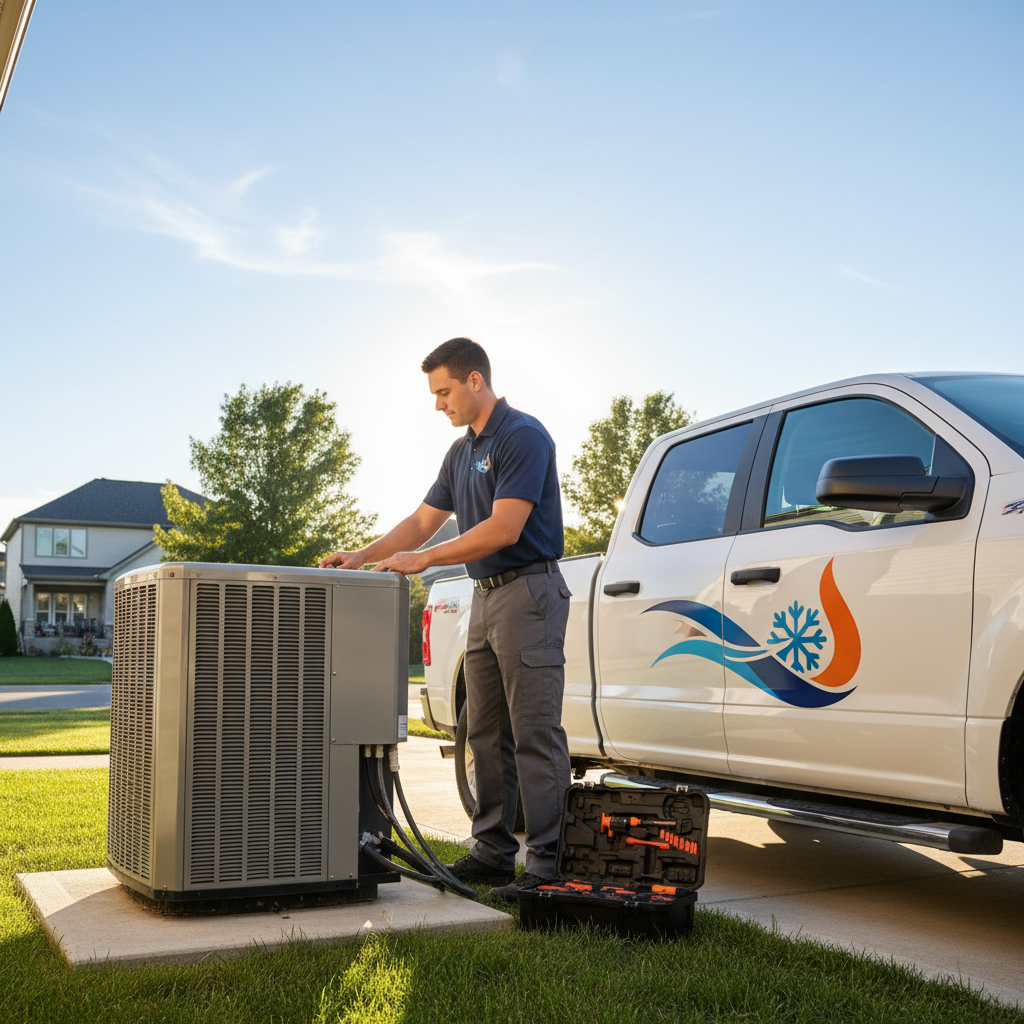 richardson top air conditioning servicesrichardson top air conditioning services overview
Frequently asked questions
What is HVAC services?
HVAC services refer to the range of systems and solutions designed to manage heating, ventilation, and air conditioning for residential and commercial buildings, ensuring comfort and air quality.
How do I choose a HVAC services provider?
Choose an HVAC services provider by verifying credentials, seeking recommendations, comparing quotes, checking reviews, and assessing their experience with similar systems.
How much does HVAC services cost?
HVAC services costs vary depending on the services required, the type of system, and the complexity of installation, typically ranging from $75 to $12,000 for comprehensive services.
Grasping the significance of HVAC services is crucial for ensuring comfort within your living spaces. Choosing a skilled contractor and following proper maintenance routines can lead to an HVAC system that operates effectively all year long.
By implementing the right strategies, you can keep your home or workplace warm in the winter and pleasantly cool in the summer, all while utilizing energy wisely.